

Japan Team Finds Snail That Survives Being Eaten
By wchung | 17 Apr, 2026
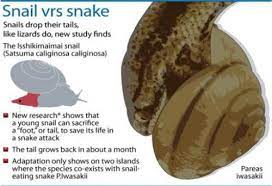
A small land snail on Ogasawara Islands can survive a journey through the digestive system of birds, according to a team of Japanese researchers. The Ogasawara Islands were added to the UNESCO list of World Heritage nature sites on June 24.
The study was triggered by the discovery of Tohoku University associate professor of ecology Satoshi Chiba and his team of researchers of undigested Tornatellides boeningi snail shells in the droppings of wild birds on Hahajima island, part of the Ogasawara Islands chain. The researchers fed 174 Tornatellides boeningi snails from Okinawa to three Japanese white-eyes and one brown-eyed bulbul, both of which are species of small birds. The snails were discharged about 30 to 40 minutes after being eated. About 15 percent were still alive.
The key factor in the snails’ survival was their small size. They may have also sealed off the entrances to their shells with sealing structures called epiphragms, protecting the soft parts of their bodies from the birds’ digestive fluids.
Ogasawara Islands, which have never been connected to a larger land mass, contain about 100 unique snail varieties. Snails are thought to spread among islands by ocean currents, wind or by attaching themselves to the bodies of birds. This study suggests that surviving ingestion by birds is another possible dispersal method.
“The snails don’t stay in the birds’ bodies for long, so it’s not clear whether they could make it to far away islands or the mainland via that method,” says Chiba.
Plant seeds are known to be spread this way. A few types of eggs and larvae are also known to survive the digestive tracts of birds. Other than pond snails that can survive being eaten by fish and shelducks, the Ogasawara snails are the first adult organisms that have been found to survive being eaten, say scientists.
Recent Articles
- OpenAI Launches GPT-Rosalind for Biotech Clients
- US Bill Targeting Chinese Chipmaking Scaled Back Under Pressure
- US Manufacturing Dipped in March on Slowed Carmaking
- Are Your Supplements Doing Nothing at All?
- Tony Xu's Surprising White House Delivery
- Sam Altman Seeks Dismissal of Punitive Damages from Sister's Childhood Sexual Abuse Suit
- The Psychological Mechanism Behind Don's Belief That He Made the US the "Hottest Nation in the World"
- TSMC Q1 Beats with 58% Jump to New Profit Record
- South Korea Sets New Tourist Arrivals Record Amid BTS Comeback
- China Solar Overcapacity Persists Despite War-Induced Renewables Demand