

China Blasts U.S. After Debt Downgrade
By wchung | 19 Jun, 2026
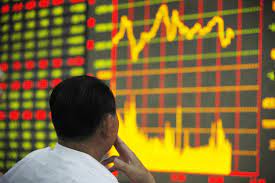
China isn’t pulling punches in criticizing the U.S. for the economic policies and political wrangling that led to Saturday’s downgrade of U.S. debt by the Standard & Poor’s ratings agency.
“The U.S. government has to come to terms with the painful fact that the good old days when it could just borrow its way out of messes of its own making are finally gone,” said an editorial in the state-run Xinhua News Agency in what amounts to China’s first official reaction to the downgrade. With its current holdings of $1.2 trillion in U.S. Treasuries, China is the largest foreign creditor.
“China, the largest creditor of the world’s sole superpower, has every right now to demand the United States to address its structural debt problems and ensure the safety of China’s dollar assets,” said Xinhua.
“Mounting debts and ridiculous political wrestling in Washington have damaged America’s image abroad,” Xinhua said. “To cure its addiction to debts, the United States has to re-establish the common sense principle that one should live within its means.”
The U.S. must slash its “gigantic military expenditure and bloated social welfare costs” and accept international supervision over moves that may impact the value of the U.S. dollar, it said, warning that the S&P move would be followed by more “devastating credit rating cuts” and global financial turbulence.
China’s new willingness to criticize U.S. economic policy was first evidenced in July when China top military leader Chen Bingde told visiting Chairman of the Joint Chief of Staff Mike Mullen that given its current financial straits, the U.S. should pare its military spending for the sake of U.S. taxpayers.
The Xinhua editorial suggested that the dollar should be replaced by a new global reserve currency, reiterating a proposal China has made with increasing frequency in the wake of the 2008 financial crisis which began in the U.S.
“It’s definitely undermined U.S. credibility,” said Kishore Mahbubani, Singapore’s former ambassador to the United Nations and current dean of Singapore’s Lee Kuan Yew School for Public Policy. “Everyone is wondering if you have such a dysfunctional political process, how can you provide global leadership. It’s very dangerous for the world.”
The 12th-hour deal that allowed the U.S. to avoid defaulting on interest payments on its debt has thrown into question the stability of U.S. global leadership, suggested Mahbubani.
© 2026 by Asian Media Group Inc.
Recent Articles
- The Making of a Striking Tiger
- Japan's World Cup Prospects Brighter Than Their Single Group Point Might Suggest
- International Stars in the Red Devils' Lineup Suggests a Deep World Cup Run for S. Korea
- Italy's Meloni Says Trump 'Totally Invented' Story That She Begged Him for Photo
- Lebanon Ceasefire Agreed After US-Iran Talks in Switzerland Scrapped
- Qantas Bets on Sleep and Light Science to Sell 20-Hour Flights
- High-Wire Diplomacy Delivered US-Iran Deal but the Tricky Part's to Come
- Pentagon Asks for $80 Billion for Iran War Bills
- Ukrainian Drone Makers Zero in on Demand Created by Taiwan Tensions
- Bedtime Story: Tenali Raman and the Thieves